
Practical Parenting. A Step by Step Guide to Raising your Child Through the Foundation Years (0-5)
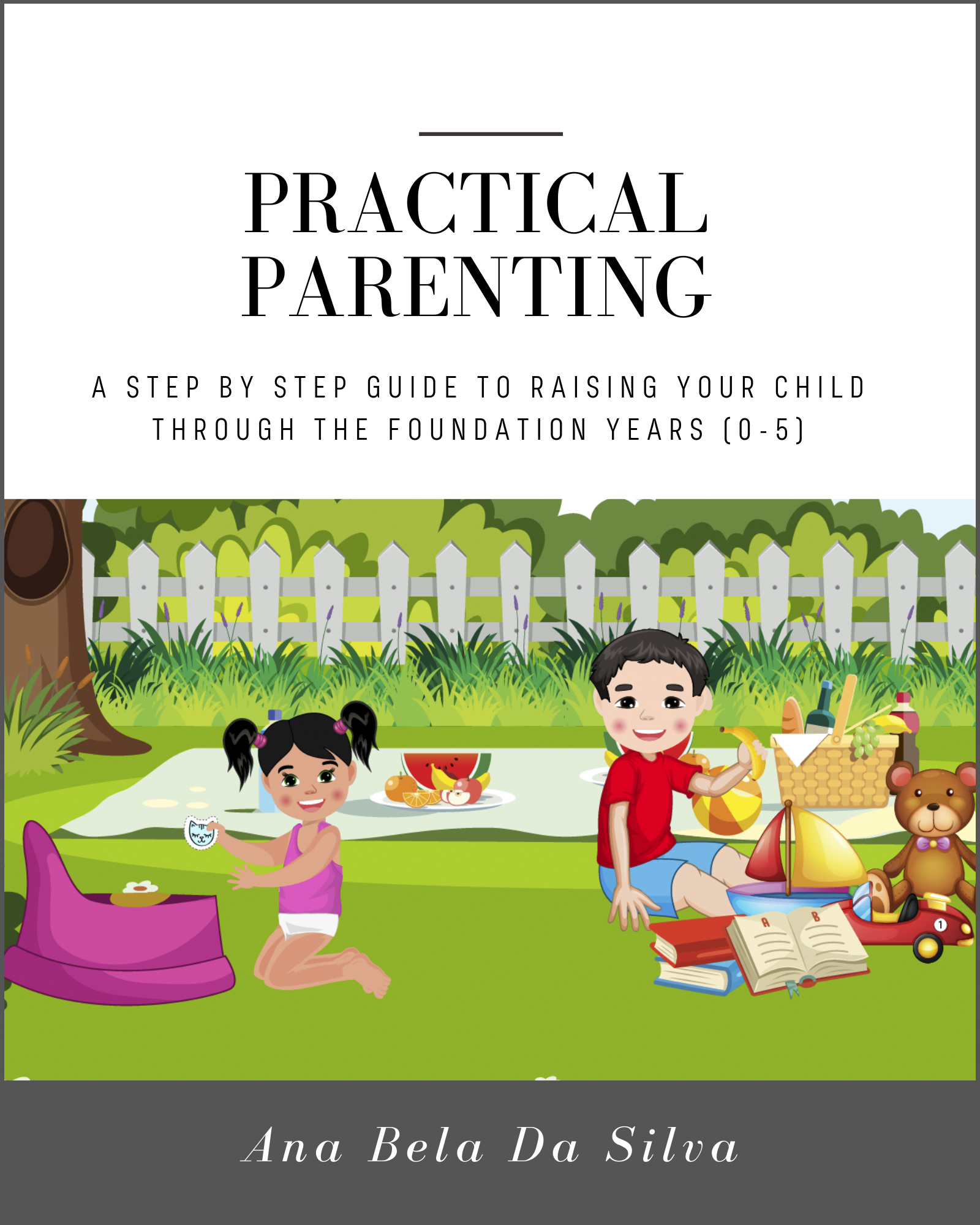
Practical Parenting. A Step by Step Guide to Raising your Child Through the Foundation Years (0-5)
As a Nursery owner, I spent the first 13 years advising parents and childcare practitioners how to deal effectively with challenging issues that everyone faces on daily basis. Parenting can be a minefield as we are dealing with psychology and mental development along with Physical development.
Most parents will ask me:
- I don’t know how to handle my child’s challenging behaviour, how do I deal with those tantrums? I even feel embarrassed…
- My child is going to start nursery and I am so overwhelmed with anxiety. He is going to miss me so much, how can I handle that?
- I want my child to speak my home language but he is so young that I fear that learning an extra language will confuse him.
- I am dreading to start the potty training process.
- I am going through a Divorce and this is going to affect my young child. How and where do I get support for me and my child?
- My child is a fussy eater, I can’t get him to eat healthy food.
- My child is so young, how do I teach my child and help him achieve his milestones?
- When should I stop breastfeeding?
- When should I start weaning my baby?
- I feel that my child has a language barrier what should I do?
- We are from a different culture, how is this going to influence my child’s development and how is he going to integrate at Nursery/Childminder?
- How can childcare professionals support me and my child? etc., etc. the list goes on…
I realised very quickly that there is a lack of knowledge and information about this difficult issues parents face every day, I am not speaking only about my nursery parents but out there in the world.
Finally – 2017, I have decided to pass the message across …
I decided right then that I was going to develop my Online Digital Courses. Something that parents and professionals working with children could just log in, get the training and get more knowledge about the issue they are facing with. And guess what? They can also get a printable Certificate!
And Then – A lightbulb moment whilst on covid-19 lockdown
I figured – I really like teaching and passing the message across, it really gets my Heart on fire!
Instead of writing and preparing another online digital course, why not concentrate on gathering all my EXISTING work that I have been writing since 2016 and Launch a book.
I got to work - March 2020, Covid -19 Lockdown
During the Lockdown, instead of focusing my anxiety on the pandemic about this virus that stopped the world, I decided to focus on launching a book called;
Practical Parenting. A Step by Step Guide to Raising your Child Through the Foundation Years (0-5)
This book is like a Mother representation & guide for all parents and carers to be their very best version of themselves every day.
In this book you will also find; meal plans & great recipes, Allergy charts, reasons around behaviours and the best approaches to help your children’s achieve their developmental milestones and so much more.
I hope that my book resonate and help you make a difference as a parent and as a carer.
Remember- Every child Matters!
How do parents feel about children´s challenging behavior?
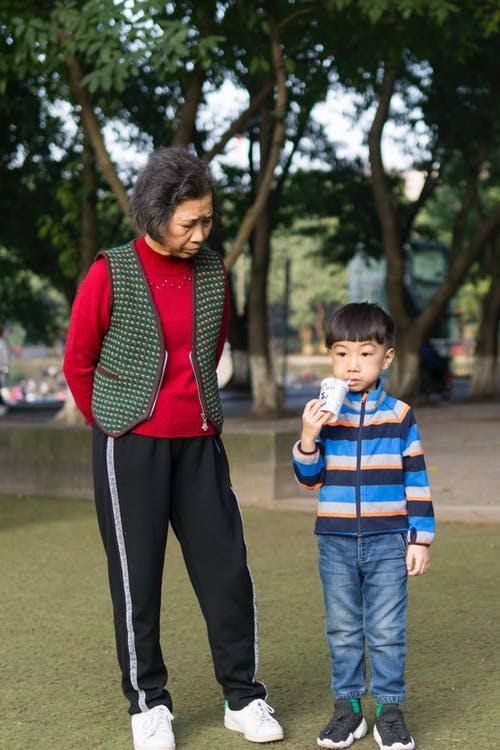
It should not embarrass parents if their child is unable to accept social values and culture such as, playing with his friends or understanding other person’s views. Parents have to realize that their child may need a boost somehow.
Have you ever seen your child not following the instructions that a particular person is giving him for his benefit If so, you need to work on his/ her-
Behavior
Attitude
Vision
Activities
Routine
Thoughts
Aptitude level
Before learning strategies to help children overcome challenging behavior, it is essential to understand why your child is undergoing such behavior chaos.
Apr 02, 2020
Cultural diversity, personal values, belief, and attitudes
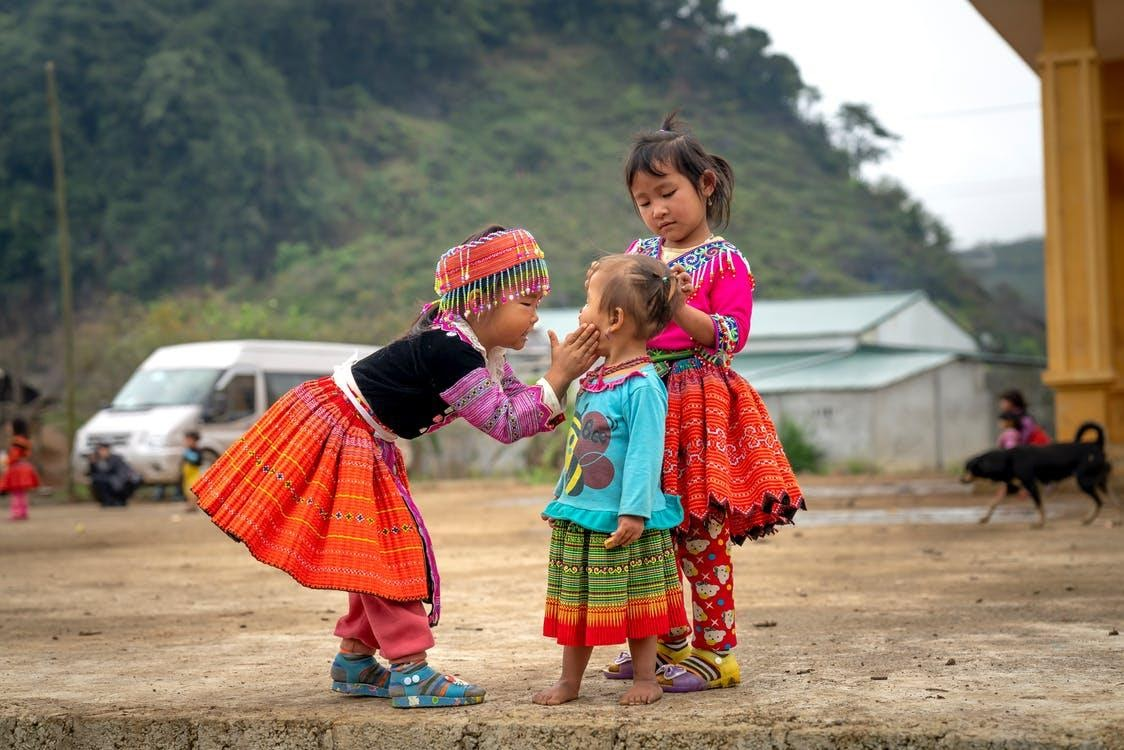
Young kids are always curious to find out more. When provided with positive opportunities, this helps them to make sense of the world and identify how different they are from other kids. For instance, diversity helps children analyze how different they are in language, behavior, skin color, etc from each other without being judgmental.
In order to help young children to understand their culture, we should help them to recognize their individuality first. Through activities and learning, they should be encouraged to practice cultural values and differences with a positive attitude and opinion. However, equality is learnt when kids understand and value each other’s thoughts and lifestyles.
Theoretical knowledge is not sufficient for children to learn about cultural diversity. It is crucial that children are exposed to practical experiences too.
After all, equality triumphs!
Mar 25, 2020
Bilingual children & language barriers
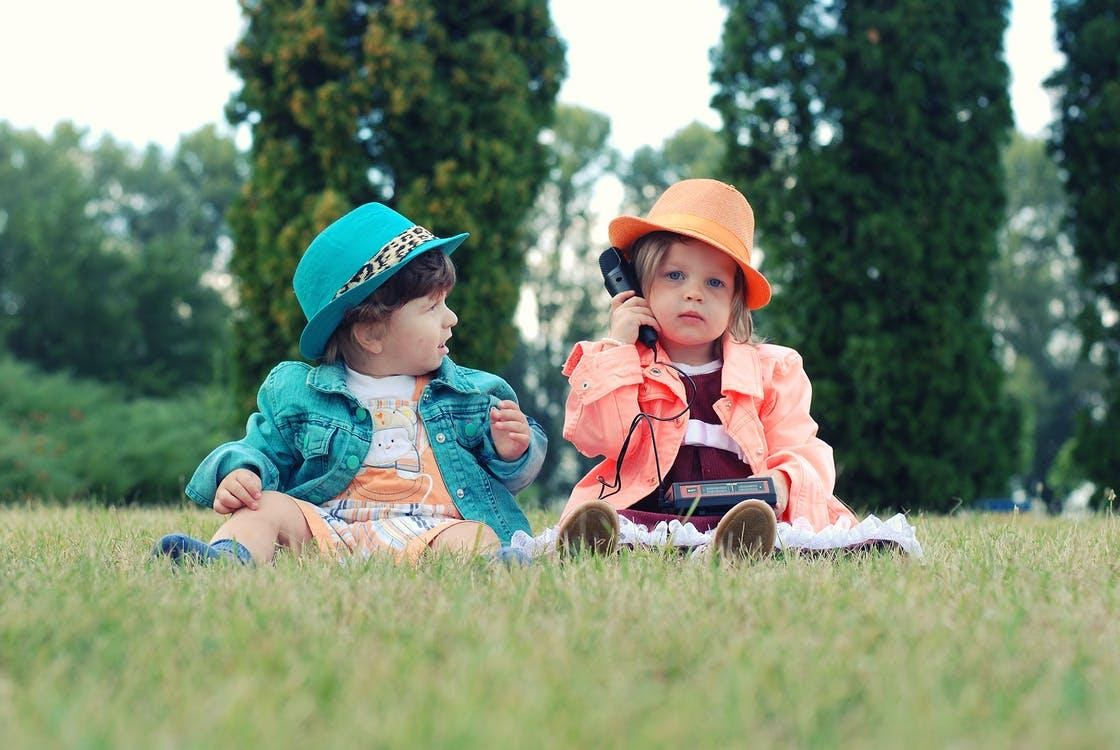
Language is easier to pick up at a very young age, consequently bilingual children should be encouraged to use both languages.
Children acquiring a second language before acquiring the basic of their home language often experience a period when neither languages are spoken well. This is only temporary and normal for children that are exposed to a second language at early stage of their lives.
When attending an early year setting, it can be overwhelming for early years professionals to work with children who speak another language as this might affect communication between the professional and the child. It is therefore paramount to forge a close relationship between the early year’s professionals and parents in order to support the children and implement strategies.
Nevertheless, very young children are naturally language acquirers; they have the ability to emulate pronunciation and work out the rules for themselves!
Mar 20, 2020
What if social and emotional skills are not identified and dealt in early childhood?

Some children are born active, while others need encouraging. However, all young children need useful guidance for a good future. This is where social and emotional aspects come in, which if not identified in early childhood may even adversely impact their future lives and careers.
What other problems can occur?
'Tantrums' in Public
Tantrums in public are a nuisance. Parents often find their children behave in this way when in a public place or surrounded by a group of people. It can be a family get together or at a friends’ party, where the parents are unable to give full attention to their child. When a child doesn’t get attention, her emotions become tantrums.
Mar 15, 2020
Bilingual children & language barriers
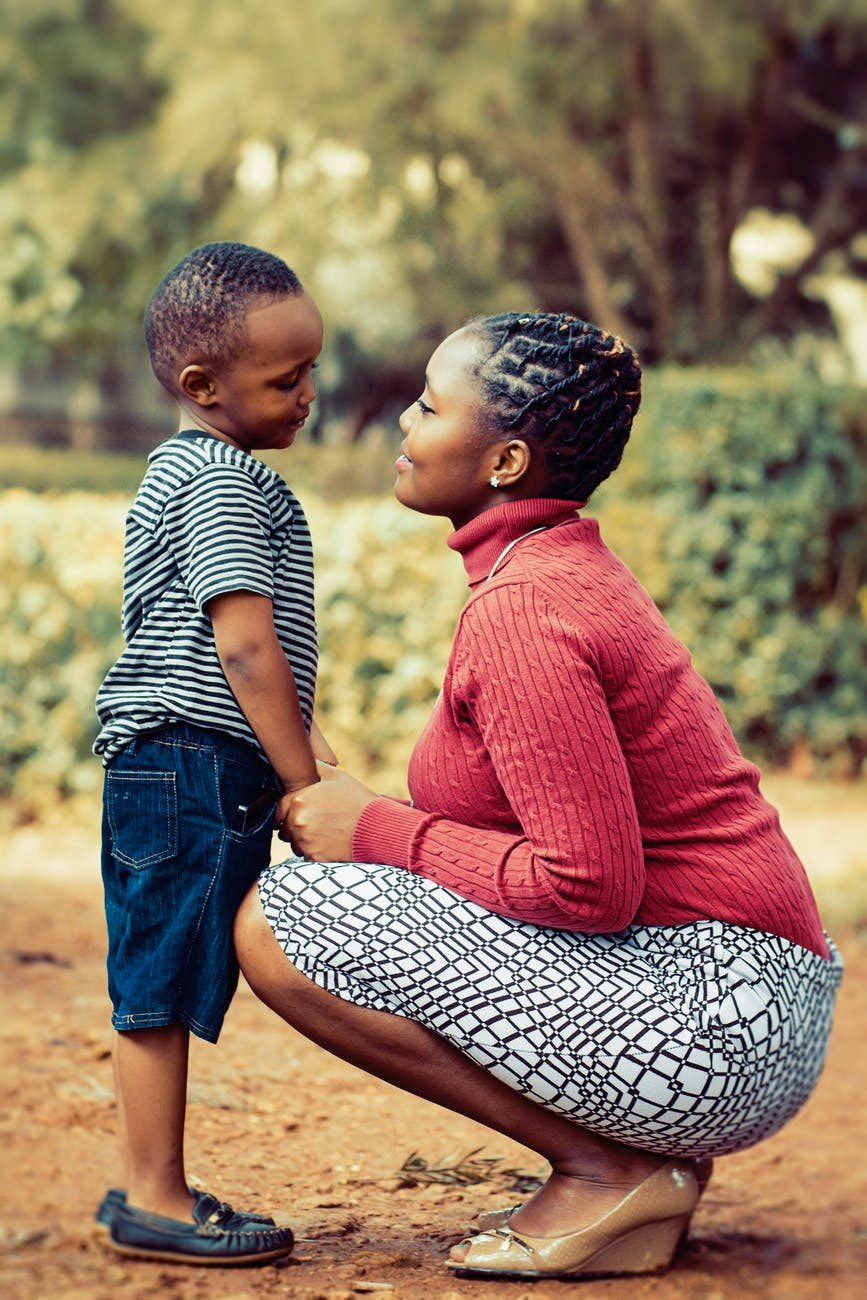
Everything that children do, requires them to communicate with their peers, families, teachers etc. Without the use of language, it is extremely difficult for young children to express themselves, to share feelings, thoughts, to make friends and to provide and obtain information about the world in which we live.
If children do not learn the skill of communication from a very young age it can lead to development delays which will affect the child more than ever when they begin school.
Language barriers are the most common communication barriers that cause misunderstandings and misinterpretation between people.
If the speaker and receiver do not use the same language and words, there is no meaning to the communication. Using words that other people do not understand leads to ineffective communication and prevents the true message from being conveyed.
Mar 07, 2020
Cultural diversity, personal values, belief, and attitudes
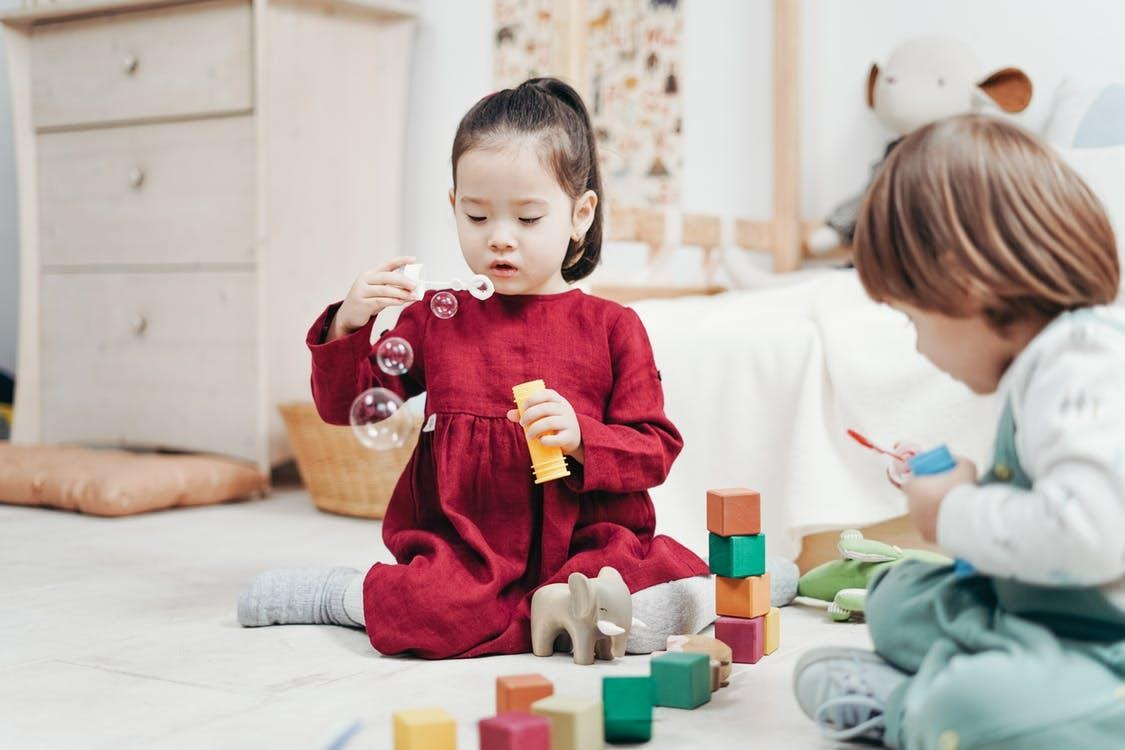
Cultural diversity helps children to respect and recognize the wellbeing and lifestyle of their peers or fellows. They learn the importance of equality and valuing each other thoughts.
At nurseries settings most of the young children are culturally different, which is great to learn from each other and understand individuality. Furthermore, young kids learn about cooperation and unity. When children are provided with certain fun-activities, they learn to build trust and respect each other’s opinions.
On the aspect of what other people say about a particular belief, parents should act as mentors to guide their kids to believe what their culture really is. It is essential to teach your children about their religion and respect others as well.
Mar 3, 2020
The importance of effective transitions
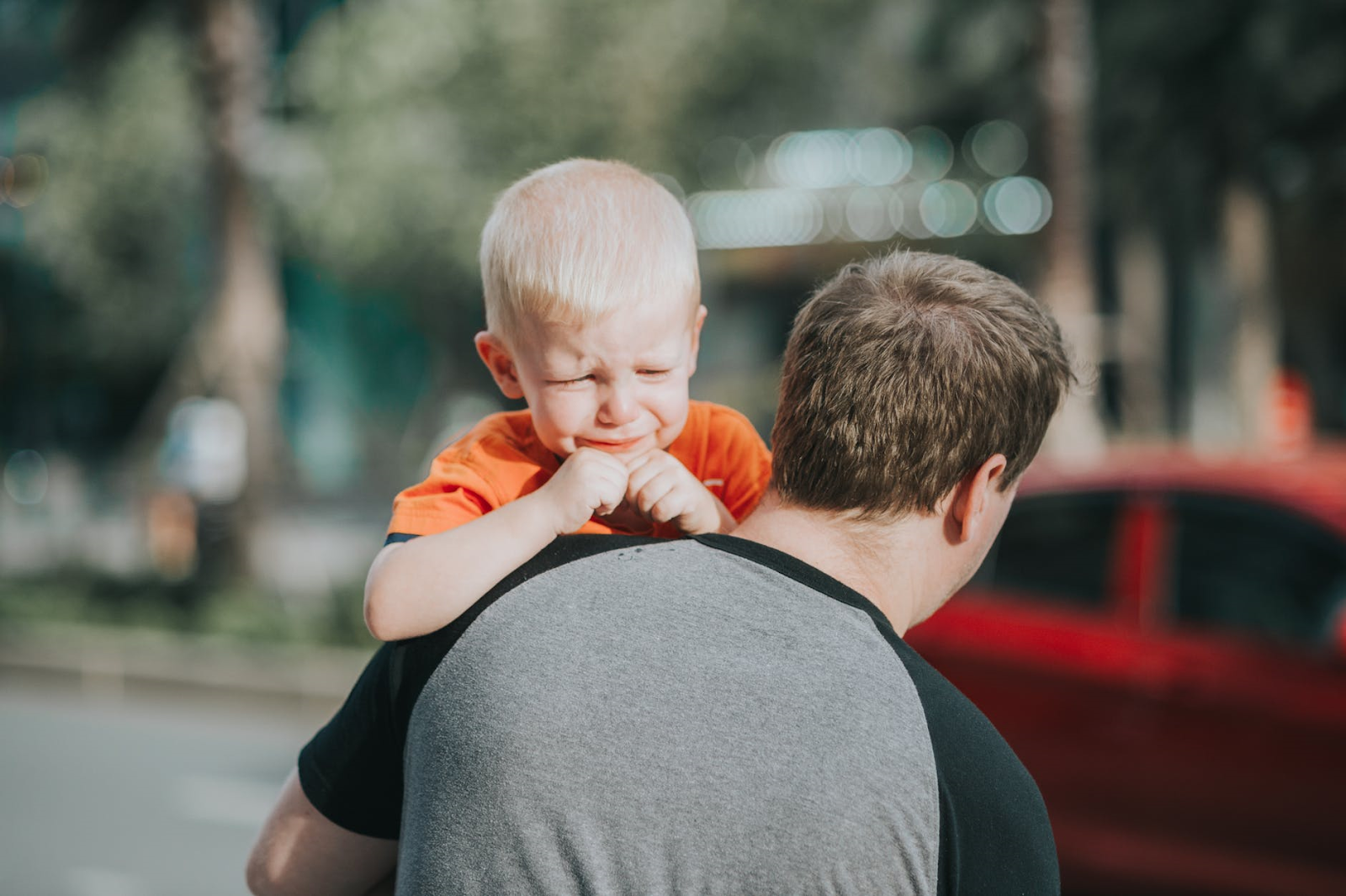
Leaders, practitioners and parents/families should be aware that the preparation transition is about supporting and assisting children to develop self-esteem and confidence and not about assessing their academic skills and when small changes are supported by responsive, knowledgeable practitioners, children will gradually discover that their world is a safe place.
Children are strong and competent young learners, this will help them when faced with the challenge of experiencing the bigger changes that will inevitably come their way throughout life. Children often respond in different ways, some with apprehension, others with confidence, but major negative effects are likely to have long lasting consequences if the importance of maintaining continuity and coherence is not taken seriously.
Feb 29, 2020
Knowledge, experience and confidence in childcare

I help parents/carers, childcare practitioners and entrepreneurs like you to understand what you need to know about reducing separation anxiety...
Feb 23, 2020